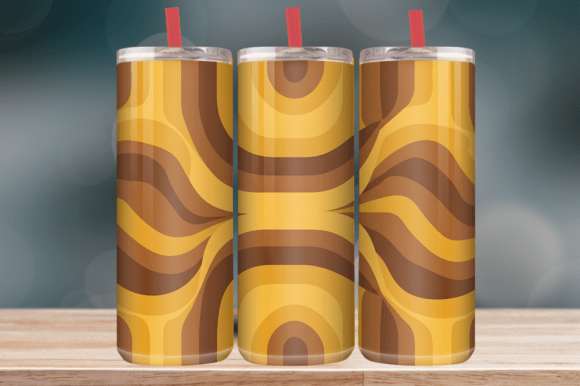
Retro Brown Geometric Vintage Style Review
When I’m scouting for a new design to add to my library, I am looking for more than just a pretty image. I need something that translates well from the screen to the hoop. I recently spent some time evaluating the Retro Brown Geometric Vintage Style graphic to see if it holds up as a viable asset for real-world embroidery projects. My goal is to determine whether this piece has the structural integrity and aesthetic appeal required for professional-grade finished products, or if it is better suited for simple digital use.
The immediate impression of this design is one of grounded warmth. The color palette relies heavily on earthy browns and muted tones, which immediately signals a specific mood: cozy, nostalgic, and organic. In an industry saturated with neon brights and pastel pinks, a retro geometric pattern in brown feels like a breath of fresh air. It suggests a product that is meant to be touched and used daily, rather than just displayed. For designers who specialize in bohemian, farmhouse, or minimalist aesthetics, this visual personality offers a strong foundation.
Visual Personality and Design Structure
The layout of the Retro Brown Geometric Vintage Style graphic is clean and balanced. Geometric patterns can often become visually noisy when converted into thread, leading to confusion in the final stitch work. However, this design maintains a clear hierarchy. The shapes are distinct enough to be recognized even at smaller scales, yet detailed enough to hold interest upon closer inspection. This balance is crucial for any machine embroidery design because it dictates how the eye moves across the finished piece.
I found myself thinking about how these shapes would interact with different fabric textures. The vintage style lends itself naturally to natural fibers. Imagine this design stitched onto a heavy cotton canvas tote bag or a soft linen apron. The geometric lines would contrast beautifully against the weave of the fabric, enhancing the handmade feel. If you are an Etsy seller looking to create a cohesive brand identity, this design provides a consistent visual language that feels both modern and timeless.
Real-World Application Scenarios
To truly test a design’s potential, I imagine it in specific production scenarios. Here is how I see the Retro Brown Geometric Vintage Style performing in actual client projects:
- Custom Apparel and Sweatshirts: A crewneck sweatshirt in a cream or oatmeal color would serve as the perfect canvas. The brown tones of the design would pop without being overwhelming. This combination appeals strongly to customers seeking comfortable, stylish everyday wear. It works particularly well for sweatshirt embroidery where the texture of the fleece adds depth to the geometric lines.
- Kitchen and Home Goods: Tea towels and kitchen aprons are staple items for craft fairs and online shops. This design fits the "home" category perfectly. The geometric motif feels structured and organized, qualities that resonate with people who enjoy cooking and baking. When paired with high-quality thread, the finished product looks expensive and thoughtful.
- Baby and Nursery Items: While often associated with brighter colors, earth tones are increasingly popular for nursery decor. A baby blanket or a quilted pillow cover featuring this design could be marketed as a gender-neutral gift. The softness implied by the color palette makes it suitable for delicate skin, provided the stitching is done with appropriate care.
- Accessories and Bags: A tote bag design is perhaps the most obvious application. The rectangular nature of many geometric patterns allows for easy placement on the front panel of a bag. It serves as a subtle branding element for small business owners who want their logo or shop name integrated into a larger artistic piece.
Technical Considerations and Stitching Challenges
As a reviewer, I must address the technical realities of converting a graphic into an embroidery file. Not all designs translate equally well. The Retro Brown Geometric Vintage Style presents specific challenges that require careful planning.
First, consider the stitch density. Geometric patterns often rely on solid fills to define their shapes. If the fill stitch is too dense, the fabric may pucker, especially on lighter materials. Conversely, if it is too sparse, the underlying fabric color may show through, ruining the intended look. You must check the digitization to ensure the density matches the fabric weight. Testing on scrap fabric is non-negotiable here.
Second, think about the hoop size. Depending on the scale of the design, you may need a large hoop to accommodate the full pattern. If you are working with a smaller machine or a limited hoop area, you might need to crop the design. This cropping must be done carefully to maintain the integrity of the geometric shapes. Cutting off a corner of a triangle can make the design look unfinished or awkward.
Third, evaluate the thread colors. The success of this design hinges on the contrast between the brown threads and the background fabric. On dark fabrics, standard brown threads may disappear. You may need to use lighter shades or add a contrasting outline. On very light fabrics, the contrast will likely be excellent, but you must ensure the thread quality is high to prevent fading after washing.
Where to Use With Caution
While this design has many strengths, there are contexts where it should be used sparingly or avoided entirely:
- Small Hoop Sizes: Tiny details may get lost or become muddy if the design is scaled down too much. Avoid using this for tiny patches or jewelry boxes unless the digitization is exceptionally precise.
- Textured Fabrics: Heavy wools or nubby knits can obscure the sharp lines of a geometric pattern. The result may look messy rather than crisp. Stick to smooth cottons, linens, or blends for the best clarity.
- Curved Surfaces: Applying this design to a cap or a curved hat requires significant manipulation. Geometric shapes do not stretch or curve naturally. Distortion can ruin the symmetry of the pattern. Flat surfaces like bags, pillows, and apparel panels are safer choices.
- Dense Stitch Areas: If the design includes small lettering or intricate accents alongside the main pattern, be wary of overcrowding. Too many stitches in one area can lead to needle breakage and poor registration.
Impact on Product Value and Brand Perception
Using a high-quality design like Retro Brown Geometric Vintage Style directly influences how customers perceive your brand. A well-executed embroidered item signals professionalism and attention to detail. Customers are willing to pay a premium for products that look polished and thoughtfully made.
This design, in particular, evokes a sense of trust. The vintage aesthetic suggests durability and classic style, qualities that buyers associate with long-lasting goods. When you present a finished product that features this design, you are not just selling an object; you are selling a feeling of nostalgia and comfort. This emotional connection is powerful for building customer loyalty.
Furthermore, the versatility of the design allows for cross-promotion. You can use the same design assets for printable mockups, social media graphics, and physical products. This consistency strengthens your brand identity across all touchpoints. For a small shop product line, having a few reliable designs like this one simplifies inventory management and marketing efforts.
Final Verdict and Practical Advice
The Retro Brown Geometric Vintage Style graphic is a strong candidate for serious embroidery projects. Its warm tones, clear structure, and versatile applications make it suitable for a wide range of handmade products. From custom apparel to home decor, this design has the potential to elevate your offerings.
However, success depends on execution. Always start by testing the design on scrap fabric. Check the stabilizer choice, verify the thread colors, and inspect the stitch quality closely. If you are planning to sell finished items, confirm the licensing terms before listing them on platforms like Etsy. Ensure that you have the right to use the design commercially.
For designers and makers who value quality and aesthetic coherence, this design is worth adding to your toolkit. It bridges the gap between digital artistry and tactile craftsmanship, offering a unique opportunity to create meaningful, beautiful objects. By approaching the project with care and technical precision, you can turn this graphic into a standout piece in your collection.