Corsair Retro Hat Costume. Party Pirate
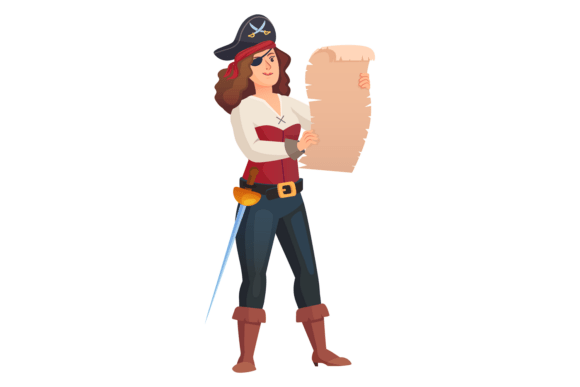
As a designer who spends half the day troubleshooting stitch errors and the other half dreaming up designs that actually sell, I approach every new graphic with a mix of skepticism and curiosity. When I first pulled up Corsair Retro Hat Costume. Party Pirate, my immediate reaction wasn't about the pirate theme itself, but about how this specific illustration translates from a flat screen to thread. It is listed under Illustrations and Graphics, which tells me right away that this isn't a pre-digitized machine embroidery file. It is a raw design asset, likely provided in formats like EPS, JPG, SVG, or transparent PNG. This distinction is crucial because it shifts the responsibility of digitization onto you, the designer.
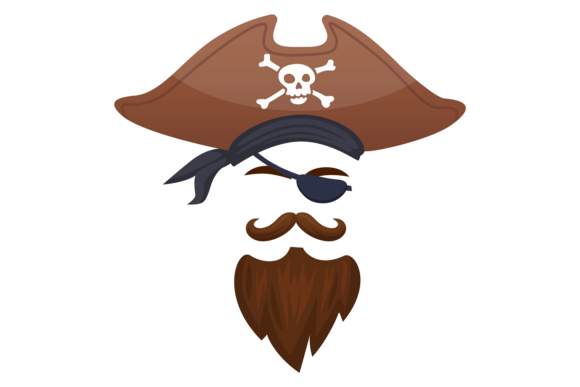
The visual personality of Corsair Retro Hat Costume. Party Pirate is distinct. It carries that nostalgic, slightly kitschy charm typical of retro costume aesthetics. The isolation on a white background suggests it was meant for versatility, allowing designers to drop it onto various backgrounds for mockups. But when we talk about embroidery, the real question is: how does this look when it’s stitched? The shape of the hat and the mask elements suggest strong outlines and defined areas, which are generally friendly for digitizing. However, the "retro" style often relies on clean lines and bold shapes rather than intricate shading, which means the success of this project will hinge entirely on your choice of stitch types and thread colors.
Real-World Application: From Screen to Stitch
I recently considered using Corsair Retro Hat Costume. Party Pirate for a batch of custom holiday gifts and boutique merchandise. Specifically, I envisioned this design on heavyweight cotton canvas tote bags and soft fleece sweatshirts. The contrast between the playful, costume-like nature of the corsair theme and the everyday utility of a tote bag creates an interesting tension that can work very well for a craft business. It feels less like a generic Halloween shirt and more like a curated, handmade product that someone might buy as a personalized gift for a friend who loves theatrical parties or nautical themes.
For an Etsy seller or small shop owner, this design offers flexibility. Because it is a graphic illustration, it can be scaled effectively. If you are creating a series of "costume party" themed items, this corsair motif could anchor a collection alongside other retro characters. Imagine a set of embroidered patches for denim jackets or aprons. The isolated nature of the original file makes it easy to separate the hat from the face if you decide to create two different products from one asset, though you would need to do some vector cleanup in software like Illustrator or Inkscape before digitizing. This kind of adaptability adds value to your design assets, allowing you to maximize the return on a single purchase.
Technical Considerations for Embroidery Designers
Before committing to production, any experienced designer knows that you must test the design on scrap fabric. With Corsair Retro Hat Costume. Party Pirate, there are several technical hurdles to anticipate. Since this is a graphic illustration, not a pre-made embroidery file, you will need to determine the appropriate stitch density. Retro styles often benefit from a satin stitch outline to give that crisp, printed look, but if the lines are too thin, they may pucker or become indistinguishable after washing.
Consider the hoop size carefully. If you plan to put this on a cap or a curved surface like a baby onesie shoulder, the distortion of the fabric can stretch the delicate details of the mask or the brim of the hat. You might find that reducing the scale of the design helps maintain clarity, but you risk losing the impact of the image. A good rule of thumb is to ensure that the smallest detail in the design is at least 2mm wide once stitched. If the original graphic has hairline details, you may need to simplify them during the digitizing process to ensure the embroidery project holds up over time.
Another critical factor is the stabilizer. For a design like this, which likely involves dense areas around the eye holes of the mask or the folds of the hat, a cut-away stabilizer is often safer than a tear-away, especially if you are working with stretchy knits or lightweight fabrics. If you are embroidering on a tote bag, a heavy-duty cut-away ensures the structure remains stable. Using the wrong stabilizer can lead to puckering, which ruins the professional appearance of the finished product and can damage customer trust in your brand.
Avoiding Common Pitfalls
There are certain applications where Corsair Retro Hat Costume. Party Pirate might struggle. Avoid placing this on textured fabrics like bouclé wool or thick terry cloth, as the texture will obscure the fine details of the illustration. Similarly, be cautious with dark fabrics unless you plan to use a substantial underlay or a contrasting thread color scheme. A black corsair hat on a navy blue shirt might disappear entirely, whereas a gold or bright red thread could pop beautifully against a darker background.
Also, think about the end-user experience. If this is going on a baby item or a frequently washed kitchen towel, durability is key. Dense fill stitches can trap moisture and take longer to dry, which might be impractical for high-use items. In these cases, a simpler applique design or a limited palette of satin stitches might be more functional. Always inspect small details closely; tiny decorative accents on the pirate hat may clump together if the stitch density is too high, resulting in a blobby appearance rather than a sharp, recognizable character.
Final Verdict for Craft Businesses
Corsair Retro Hat Costume. Party Pirate is a versatile graphic asset that requires skillful digitization to shine in its final form. It is not a plug-and-play solution, but that lack of pre-digitization is also its strength. It allows you to tailor the stitch type, thread colors, and sizing to fit your specific custom apparel needs perfectly. Whether you are creating a personalized gift for a client or stocking small shop product inventory for a craft fair, this design provides a solid foundation for a memorable embroidered piece.
Success with this design depends on your attention to detail. Test your thread contrasts, verify your stitch density, and always produce a sample before mass production. By treating this graphic with the respect it deserves during the digitizing phase, you can transform a simple illustration into a high-quality finished product that stands out in a crowded market. For designers looking to expand their design assets with unique, thematic elements, this corsair motif offers a fun, retro twist that is sure to engage customers looking for something beyond the standard floral or geometric patterns.