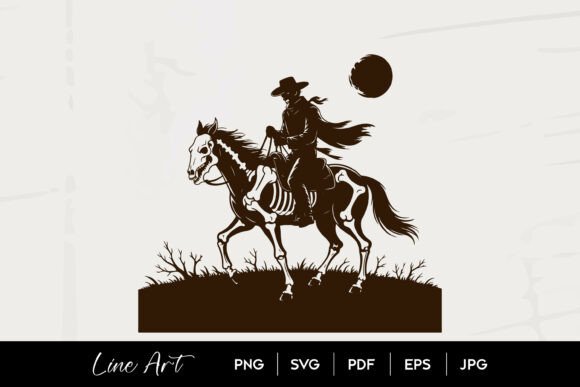
Skeleton Cowboy Riding Horse Halloween Review
As a designer who spends half my life in the embroidery hoop and the other half staring at vector files, I approach every new download with a mix of optimism and skepticism. We have all seen designs that look charming on screen but turn into a tangled mess once the needle starts moving. Today, I am putting Skeleton Cowboy Riding Horse Halloween through its paces to see if it holds up as a viable asset for real-world projects, from personal gifts to commercial Etsy listings.
This file falls squarely into the realm of seasonal graphics, specifically targeting the spooky western aesthetic. It combines two distinct themes: the classic cowboy silhouette and the macabre charm of Halloween skeletons. For those looking to expand their Illustrations or Graphics library, this piece offers a unique intersection of genres that can stand out in a crowded market. But does it work as a functional machine embroidery design? Let’s dig into the practicalities.
First Impressions and Visual Personality
The immediate appeal of Skeleton Cowboy Riding Horse Halloween lies in its narrative quality. It isn’t just a static image; it tells a story. The composition suggests movement, capturing the moment an undead rider gallops across a moonlit plainscape. This dynamic energy is crucial for embroidery because static, stiff designs often look flat once stitched onto fabric.
From a design perspective, the visual personality is bold yet playful. It avoids being overly terrifying, which makes it accessible for a wider audience, including families and children who enjoy the "spooky" theme without the genuine horror. This balance is key for holiday embroidery products. The skeletal details provide enough texture to keep the eye interested, while the cowboy elements (hat, boots, horse posture) ground the design in a recognizable cultural icon. It feels like a natural fit for custom apparel where you want a statement piece rather than a subtle accent.
Real-World Application: The Tote Bag Scenario
To truly evaluate this design, I imagine it in a specific production context. Let’s say I am preparing a batch of custom embroidered tote bags for a local craft fair or an online shop. The goal is to create a high-value handmade product that appeals to Halloween shoppers.
Placing Skeleton Cowboy Riding Horse Halloween on a canvas tote bag allows the design to breathe. The sturdy fabric supports the stitch density required for the skeleton’s ribs and the horse’s mane. In this scenario, the design acts as the central focal point. Customers browsing a booth would likely stop because the contrast between the dark fabric and bright thread colors creates an instant visual pop. It transforms a simple utility item into a festive accessory, increasing its perceived value.
Similarly, this design shines when applied to sweatshirts or hoodies. The larger surface area accommodates the full scope of the rider and horse without feeling cramped. For Etsy sellers, this versatility is a major selling point. A single digital asset can be marketed across multiple product categories, maximizing return on investment. Whether it ends up on a sweatshirt embroidery project or a cozy blanket, the thematic consistency remains strong.
Performance in Different Stitching Situations
When translating a graphic into an embroidery file, not all lines are created equal. The success of Skeleton Cowboy Riding Horse Halloween depends heavily on how the digitizer handles different stitch types.
- Satin Stitch: Outlines of the cowboy hat and horse legs will likely rely on satin stitches. These need to be crisp to maintain the sharp angles of the skeleton’s jaw and the brim of the hat. If the underlay is too heavy, the fabric might pucker, ruining the clean lines.
- Fill Stitch: Areas like the horse’s body or the cowboy’s vest may use fill stitches. This adds texture and depth, making the finished product feel more substantial. However, dense fill areas can become heavy, so choosing the right stabilizer is non-negotiable.
- Running Stitch: Details such as the reins, spurs, or decorative elements on the saddle might use running stitches. These add fine detail but require a steady hand and proper tension settings to avoid breaking threads.
The design’s adaptability means it can serve as a standalone centerpiece or be integrated into a larger scene. For instance, it could be paired with text like "Spooky Western Nights" to create a complete embroidery project for a themed event.
Where Caution Is Required
While this design has many strengths, there are specific scenarios where it requires careful handling. Embroidery is not magic; it is a mechanical process with physical limitations.
- Small Hoop Sizes: Attempting to stitch this design in a very small hoop (such as 4x4 inches) might result in lost details. The tiny bones of the skeleton or the intricate patterns on the horse’s tack could become indistinct blobs of thread. Always check the recommended hoop size before committing to a small garment.
- Textured or Stretchy Fabrics: Using this design on chunky knits, towels, or stretchy jersey fabrics can lead to distortion. The stabilizer may not hold the fabric taut enough, causing the circular motion of the stitching to pull the material out of shape. Stick to woven fabrics like cotton, denim, or canvas for the best results.
- Dense Stitch Areas: If the design includes large blocks of fill stitch, it can become stiff and uncomfortable to wear, especially on baby embroidery items. Parents prefer soft textures, so ensure the stitch density is appropriate for delicate skin.
- Curved Surfaces: While caps and hats are popular canvases, the complexity of this design might not wrap well around the curve of a baseball cap. Flat surfaces like aprons, pillow covers, or kitchen towels are safer bets for maintaining the integrity of the image.
Visual Appeal and Customer Trust
In the world of handmade goods, presentation is everything. A well-executed Skeleton Cowboy Riding Horse Halloween design signals professionalism. When customers see clean edges, consistent thread tension, and accurate color representation, they trust the maker’s skill. This trust translates into repeat business and positive reviews.
The design also enhances brand consistency for shops that focus on seasonal or alternative aesthetics. By incorporating unique themes like this, a brand can differentiate itself from competitors offering generic floral or geometric patterns. It shows attention to niche interests, which resonates strongly with dedicated hobbyists and collectors.
Practical Designer Notes for Success
Before adding this to your production queue, consider these practical steps:
- Test on Scrap Fabric: Never assume a design will work perfectly on the final material. Run a test stitch on a scrap piece of the same fabric type to check for puckering or thread breaks.
- Check Thread Color Contrast: Ensure the chosen thread colors stand out against the background fabric. Dark skeletons on black fabric might disappear unless metallic or white threads are used for highlights.
- Review Stitch Density: Look at the digitizing instructions. If the density is too high, consider reducing it slightly to improve flexibility, especially for wearable items.
- Inspect Small Details: Zoom in on the digital preview. Are the reins clear? Can you see the horse’s eyes? If details are too small, they may not survive the stitching process.
- Confirm Licensing: If you plan to sell finished items, verify the license terms. Some digital embroidery file licenses allow personal use only, while others permit commercial sales of the physical product. Always err on the side of caution to protect your craft business.
Final Verdict
Skeleton Cowboy Riding Horse Halloween is a versatile and engaging design that brings character to any embroidery project. Its blend of western flair and spooky fun makes it a standout choice for autumn-themed collections. With proper preparation—choosing the right fabric, stabilizer, and thread colors—it can elevate everything from personalized gifts to professional commercial embroidery pieces. For designers willing to invest time in testing and setup, this design offers a rewarding path to creating memorable, high-quality handmade products.