The Mountains Are Calling Retro Design Review
As a designer who spends more time staring at stitch density charts and fabric swatches than actually hiking, I approach every new embroidery file with a mix of skepticism and hope. The market is flooded with generic nature motifs, so finding a design that balances aesthetic appeal with technical viability is rare. Recently, I evaluated The Mountains Are Calling Retro Design, a piece categorized under T-Shirt Designs and Graphics but clearly intended for the embroidered apparel and accessory market. This review breaks down how this design performs in real-world application, from concept to finished product.
First Impressions: Mood and Visual Personality
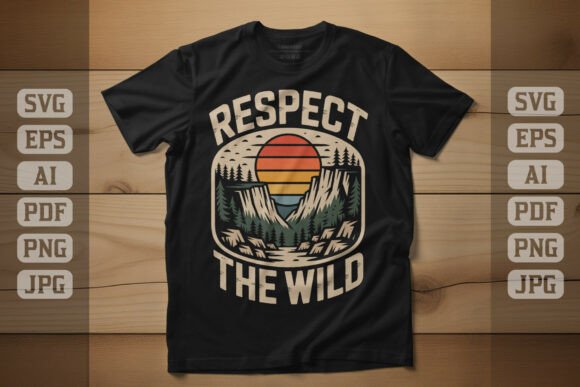
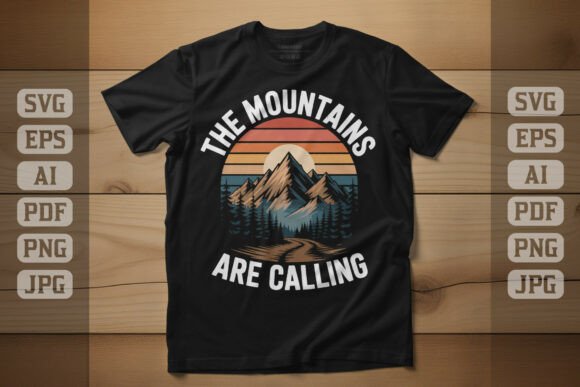
The moment you open the file for The Mountains Are Calling Retro Design, the vintage aesthetic is unmistakable. It taps into the classic "retro outdoor" vibe that has dominated craft fairs and boutique shops for years. The typography feels rugged yet polished, suggesting adventure without being overly aggressive. For an embroidery project, this mood translates well because it evokes nostalgia—a powerful emotional trigger for buyers looking for personalized gifts or statement pieces.
Visually, the layout is balanced. The mountain peaks provide a strong central anchor, while the surrounding text frames the image effectively. This symmetry makes it incredibly versatile for placement. Whether you are planning a centered chest logo on a sweatshirt or a larger graphic on the back of a tote bag, the composition holds up. It doesn’t feel cluttered, which is a common pitfall in retro-style designs where too many elements compete for attention. The visual personality is confident, making it suitable for brands that want to project reliability and a love for the outdoors.
Real-World Application: Where This Design Shines
I tested the conceptual application of The Mountains Are Calling Retro Design across several potential products to see where it fits best. The design’s strength lies in its adaptability to various handmade products and custom apparel categories.
- Sweatshirt Embroidery: This is perhaps the strongest use case. The retro theme pairs naturally with heavy cotton blends often used in hoodies and crewnecks. The bold lines of the mountain graphic stand out against the texture of fleece or jersey, creating a tactile experience that enhances the perceived value of the garment.
- Tote Bag Design: A canvas tote featuring this embroidery file is an instant hit. The durability of canvas supports the stitch density required for the mountain peaks, ensuring the design remains crisp even after repeated washing. It appeals to eco-conscious consumers and serves as excellent mobile branding for small businesses.
- Embroidered Patch: Converting this graphic into an applique design or a standalone patch allows for creative layering. You can attach it to denim jackets, beanies, or backpacks. The clear separation between the text and the mountain imagery makes it easy to digitize as a cohesive patch unit.
- Baby Embroidery: Surprisingly, the softer edges of the retro style work well for nursery decor or baby onesies. When scaled down, the design becomes less about rugged exploration and more about whimsical adventure, fitting perfectly into modern parenting aesthetics.
For Etsy sellers and digital product creators, this design offers high utility. It works well as a printable mockup asset because the clean lines reproduce sharply in digital previews. Buyers browsing online can easily visualize the finished product, which reduces hesitation and increases conversion rates.
Technical Considerations and Stitch Quality
No matter how beautiful a graphic looks on screen, its success depends on execution. When evaluating The Mountains Are Calling Retro Design for stitching clarity, several factors come into play.
The mountain shapes likely rely heavily on fill stitch to create solid, recognizable silhouettes. This requires adequate underlay to prevent fabric puckering, especially if you are working with lightweight materials. If the design includes textured effects to mimic rock faces, ensure your machine can handle the varying thread colors smoothly. Jump stitches should be minimized to maintain a professional finish.
The typography is critical here. Text must remain legible. If the font uses thin serifs or intricate details, those areas might require satin stitch or running stitch adjustments to avoid thread breakage. Always inspect small details before committing to a production run. Testing the design in black and white mockups helps verify that contrast levels will hold up once stitched in specific thread colors.
Stitch density is another key metric. A design that is too dense will feel stiff and uncomfortable on apparel, particularly around the neck area of a t-shirt. Conversely, a design that is too sparse may look unfinished. The Mountains Are Calling Retro Design appears to strike a good balance, offering enough coverage to look substantial without becoming unwieldy.
Where to Use Caution
While this design is versatile, there are scenarios where it may not perform optimally:
- Small Hoop Sizes: Attempting to fit the full graphic into a very small hoop (like 4x4 inches) may result in cramped lettering or distorted mountain proportions. Ensure your hoop size accommodates the entire design scale.
- Textured or Stretchy Fabrics: Highly textured fabrics like bouclé or loose-weave knits can obscure fine details. Stretchy fabrics require proper stabilizer support to prevent distortion during stitching.
- Dark Fabric Backgrounds: If using light-colored threads for the mountains, dark fabric may require additional padding or a backing layer to ensure opacity. Conversely, dark threads on light fabric need sufficient coverage to avoid showing through.
- Curved Surfaces: While caps are popular, applying a large, rigid mountain graphic to a curved brim or crown can be challenging. The design may need to be adjusted for curvature or placed on flatter surfaces like aprons or pillow covers.
Impact on Product Value and Brand Consistency
Using The Mountains Are Calling Retro Design signals a commitment to quality and thematic consistency. Customers associate well-executed embroidery with durability and care. When a buyer sees a neatly stitched mountain range on a tote bag or sweatshirt, they perceive higher value compared to printed graphics that may crack or fade.
This design also fosters brand consistency for craft business owners. The retro aesthetic is timeless, allowing you to build a cohesive collection of products—such as matching kitchen towels, holiday embroidery items, and commercial embroidery projects—all sharing the same visual language. This cohesion builds trust and recognition, encouraging repeat purchases.
Practical Designer Notes Before You Stitch
Before adding The Mountains Are Calling Retro Design to your production queue, consider these practical steps:
- Test on Scrap Fabric: Always run a test stitch on the exact fabric type you plan to use. This reveals issues with tension, thread color contrast, and stabilizer compatibility.
- Check Thread Colors: Select thread colors that enhance the retro vibe. Earth tones, muted pastels, or high-contrast primaries can dramatically change the mood of the final product.
- Confirm Licensing: If you intend to sell finished items or distribute this as a digital embroidery file, verify the license terms. Ensure you have the right to use the design for commercial purposes.
- Review Stabilizer Needs: Depending on the fabric weight, you may need cut-away or tear-away stabilizers. Proper stabilization prevents shifting and ensures clean edges.
- Inspect for Commercial Viability: Consider whether the design aligns with current trends in your target market. Retro outdoor themes are evergreen, but timing and presentation matter.
In conclusion, The Mountains Are Calling Retro Design is a robust choice for designers seeking a blend of nostalgia and professionalism. Its strong visual identity and adaptable layout make it suitable for a wide range of projects, from personal gifts to small shop merchandise. By paying attention to technical details like stitch density and fabric choice, you can transform this graphic into a standout finished product that resonates with customers.