Halloween Cutie Orange Pumpkin Bow Review
As a designer who spends more time than I care to admit staring at stitch density charts and fabric swatches, I have learned that the success of an embroidery project often hinges on the initial design choice. It is not just about how it looks on screen; it is about how it behaves under the needle. Recently, I pulled Halloween Cutie Orange Pumpkin Bow into my workflow to evaluate its potential for real-world application. This piece, categorized broadly within T-Shirt Designs and Graphics, presents a specific aesthetic challenge: balancing retro charm with technical feasibility in machine embroidery.
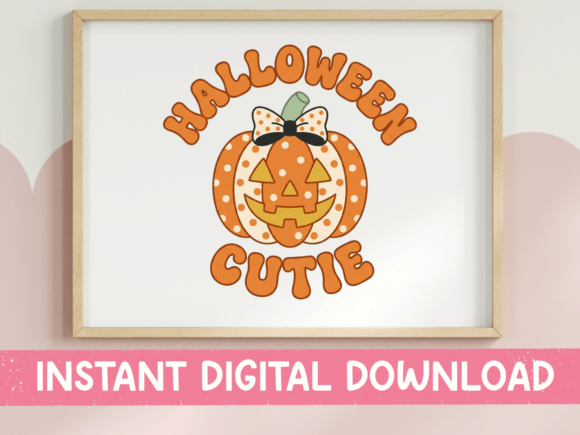
The design features a smiling orange jack-o-lantern centered prominently, adorned with orange polka dots. Perched atop the pumpkin is a black bow featuring black polka dots. Surrounding this central figure, the phrase "Halloween Cutie" arches in chunky orange retro lettering. My first impression was one of immediate seasonal recognition. The mood is playful, nostalgic, and undeniably festive. However, as any experienced embroiderer knows, cuteness does not always translate seamlessly to thread. The true test lies in how these elements render when converted from digital assets to physical textile art.
Visual Personality and First Impressions
The visual personality of Halloween Cutie Orange Pumpkin Bow leans heavily into vintage Americana aesthetics. The chunky retro lettering suggests a hand-painted sign feel, which can be difficult to replicate accurately in digitizing. When viewed as a standalone graphic, it works well. But in the context of an embroidery file, the arching text requires careful attention to kerning and stitch direction to avoid looking cramped or distorted. The use of orange polka dots on the pumpkin body adds texture, but if the dot size is too small relative to the hoop size, they risk merging into a muddy fill during stitching.
The black polka dot bow provides a necessary contrast point. In design theory, this anchor helps ground the bright orange tones. For a handmade product, this contrast is vital because it prevents the design from blending into light-colored fabrics like cream or pale yellow cotton. The carved face of the pumpkin is the focal point; its clarity will determine whether the finished product feels professional or amateurish. If the eyes and mouth lack definition due to low stitch count or poor satin stitch edge runs, the character loses its "cute" appeal and starts to look generic.
Real-World Application Scenarios
To truly understand the value of this design, I simulated its use across several common craft business items. The most natural fit appears to be custom apparel, specifically sweatshirt embroidery and t-shirt designs. The bold nature of the chunky lettering stands up well against the heavier weight of fleece or cotton blends typically used for fall wear. Imagine a soft, heathered grey sweatshirt with this design placed over the heart. The orange pops without being overwhelming, and the retro vibe appeals strongly to the current market trend for cozy, nostalgic autumn fashion.
Beyond apparel, I see significant potential for personalized gifts and holiday embroidery projects. A baby item, such as a onesie or a burp cloth, could benefit from the softer, rounded shapes of the pumpkin and bow. However, caution is advised here. The "Halloween Cutie" theme is inherently seasonal. While adorable in October, it may limit the resale window for an Etsy seller. Conversely, for a boutique branding effort focused strictly on fall collections, this design serves as a strong hero asset.
I also considered its viability for home decor items. An embroidered patch applied to a kitchen towel or a pillow cover could work, provided the background fabric complements the orange tones. A navy blue tea towel would make the orange details sing, creating a high-contrast, visually striking finished product. Similarly, a tote bag design utilizing this graphic could attract customers looking for unique, handmade shopping bags rather than mass-produced alternatives.
Technical Considerations and Stitch Performance
When evaluating any machine embroidery design, we must discuss stitch density and thread colors. The mix of solid fills (the pumpkin body) and detailed accents (the polka dots and facial features) requires a balanced approach. If the fill stitch is too dense, the fabric may pucker, especially on thin materials. If it is too sparse, the stabilizer might show through, ruining the clean look of the graphic.
The arching text presents a specific technical hurdle. Satin stitch around letters needs to be tight enough to prevent thread breakage but loose enough to allow for natural fabric movement. On stretchy fabrics like jersey knits, this arch can distort if not properly stabilized. I recommend using a cut-away stabilizer for such garments to ensure the integrity of the design remains intact after washing. For woven fabrics like canvas or linen, a tear-away might suffice, but testing is always required.
The polka dots are another area requiring scrutiny. In digital graphics, dots are perfect circles. In embroidery, they are composed of tiny running stitches or small satin columns. If the digitizer did not account for the minimum stitch length, these dots might appear jagged or uneven. This is where checking the design in a black and white mockup becomes useful—it helps visualize the negative space and ensures the dots do not crowd each other out.
Where to Exercise Caution
Not every surface is suitable for Halloween Cutie Orange Pumpkin Bow. Small hoop sizes should be approached with care. If the design exceeds the dimensions of a 4x4 inch hoop, it will need to be split or resized. Resizing vector-based graphics is easy, but resizing embroidery files can alter stitch density and tension settings unpredictably. I advise against shrinking this design significantly, as the fine details of the carved face and polka dots may become lost.
Textured fabrics pose a risk as well. A boucle knit or a heavy chenille blanket might hide the intricate details of the bow and facial expression. In such cases, the design might look flat and indistinct. Thin fabrics, like silk or lightweight rayon, require extra stabilization to prevent puckering, particularly around the dense areas of the pumpkin and the arched text. Without proper support, the final product may look warped.
Dense stitch areas should be monitored for heat buildup. If your machine runs hot, large fill stitches can melt synthetic threads or damage delicate fabrics. Additionally, curved surfaces like caps present a challenge. The arching text might follow the curve of the cap front beautifully, but the flat pumpkin center might look disjointed if the curvature is pronounced. Testing on a scrap piece of the actual garment material is non-negotiable before committing to a client order.
Impact on Brand and Customer Trust
For creative entrepreneurs and small shop owners, the quality of the design directly impacts customer trust. A crisp, well-executed embroidery job signals professionalism. When a buyer sees clear edges on the "Halloween Cutie" lettering and distinct, unblurred polka dots, they perceive higher value. This perception allows for better pricing power and reduces returns due to perceived quality issues.
In the realm of digital product sellers, providing high-quality printable mockups of this design is crucial. Since customers cannot touch the thread, they rely on visual cues. A mockup that shows the texture of the stitches and the way the colors interact with the fabric helps bridge the gap between digital purchase and physical reality. It reassures the buyer that the digital embroidery file will produce a result matching their expectations.
Final Designer Notes
Before incorporating Halloween Cutie Orange Pumpkin Bow into your commercial embroidery projects, there are several practical steps to take. First, always test the design on scrap fabric that matches the weight and stretch of your final product. Check thread color contrast by viewing the sample in different lighting conditions. Inspect small details closely to ensure no stitching errors occurred during digitization.
Confirm the hoop size requirements and review the stitch density specifications if available. If you are planning to sell finished items, verify the licensing terms associated with the digital embroidery file. Ensure you have the right to create and sell merchandise based on this design. Finally, consider the versatility of the design assets. Does it work as an applique design if you choose to layer fabrics? Can it be adapted for different thread colors while maintaining its visual impact?
Ultimately, Halloween Cutie Orange Pumpkin Bow offers a charming, retro-inspired option for fall-themed collections. With careful execution, proper stabilization, and realistic expectations regarding detail resolution, it can serve as a standout piece in your catalog of handmade products. Whether destined for a custom sweatshirt, a baby gift, or a boutique tote bag, its success depends on the precision of your setup and the quality of your finishing touches. Treat it with respect, test it thoroughly, and it will reward you with a polished, professional result.