Retro Checkered Autism Awareness Month Review
As a designer who spends half the day in digitizing software and the other half testing stitches on actual fabric, I don’t just look at a file and see code. I see how it will sit on a chest, how it will hold up after twenty washes, and whether it communicates its message clearly without shouting. When Retro Checkered Autism Awareness Month landed in my inbox for review, my first thought wasn’t about the colors—it was about the structure. The checkered pattern is a classic graphic element, but in embroidery, patterns are where designs often go to die. They can become muddy, lose definition, or simply look like a mess of thread if the stitch density isn’t handled with care.
This machine embroidery design brings a nostalgic, bold aesthetic that feels perfectly suited for today’s market. It taps into the retro trend that has been dominating T-Shirt Designs and Graphics for the last few years, but it does so with a purpose. It’s not just decorative; it’s symbolic. For those of us creating content for Etsy sellers, small business owners, and craft fair products, this distinction matters. A design needs to be visually striking enough to stop a scroll, but detailed enough to feel premium when a customer holds the finished item.
The Visual Personality and Mood
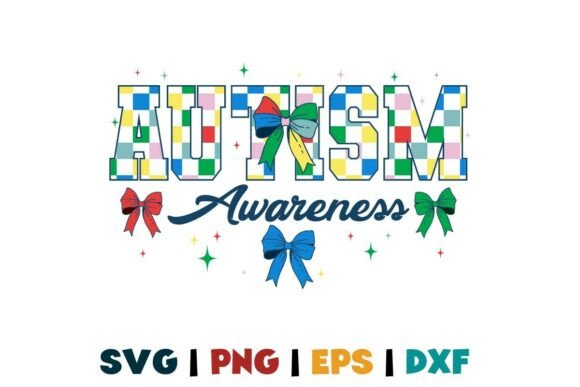
The immediate impression of Retro Checkered Autism Awareness Month is one of grounded confidence. The checkered layout provides a strong geometric foundation, which translates surprisingly well to embroidery because machines love straight lines and consistent angles. Unlike organic shapes that require complex underlay and careful tension adjustments, a grid-like structure offers stability. However, the challenge lies in the execution. If the squares are too small, they risk merging into a single block of color. If they are too large, they might look sparse on smaller garments.
From a handmade product perspective, this design strikes a balance between playful and serious. The retro vibe softens the medical/awareness aspect of the theme, making it approachable for general audiences while still being deeply meaningful to the autism community. This makes it an excellent choice for personalized gifts that need to resonate emotionally without feeling overly clinical. The visual personality suggests a product that is both trendy and timeless—a rare combination in the fast-moving world of digital design assets.
Real-World Application: The Tote Bag Scenario
To truly evaluate this embroidery project, let’s imagine a specific use case. I’m preparing a batch of custom canvas tote bags for a local boutique’s Autism Awareness Month event. These aren’t cheap promotional items; these are high-quality, heavy-duty bags meant to be carried daily. I place Retro Checkered Autism Awareness Month on the upper left chest area of the bag.
In this scenario, the design shines. The bold lines cut through the texture of the canvas, providing a sharp contrast that enhances readability. Because the pattern is relatively uniform, it doesn’t overwhelm the natural weave of the fabric. Instead, it complements it. Customers walking by at a craft fair would notice the crisp edges of the checkered pattern from a distance, and up close, the quality of the satin stitch borders (assuming the design includes them) adds a tactile luxury that elevates the perceived value of the finished product. It transforms a simple tote into a statement piece that supports a cause while looking stylish.
Similarly, applying this to a sweatshirt embroidery project works well for cooler months. The retro aesthetic pairs beautifully with fleece or cotton blends, offering a cozy yet chic look. It’s versatile enough to work as a tote bag design for everyday use or as a decorative accent on a kitchen towel for someone who loves to cook and advocate simultaneously.
Technical Considerations and Stitching Clarity
While the concept is strong, any experienced embroiderer knows that theory meets reality at the needle. When evaluating Retro Checkered Autism Awareness Month, we have to talk about stitch density and detail level. Checkered patterns rely heavily on the precision of the fill stitch. If the design is digitized with a standard fill, you might see slight waviness in the threads, especially if the fabric stretches during stitching. This is why testing on scrap fabric is non-negotiable.
I recommend checking the stitch density carefully. Dense areas can cause puckering on lightweight fabrics, which would ruin the clean lines of the checkered pattern. Conversely, if the design is too light, it might lack the visual weight needed to stand out on dark backgrounds. This is particularly important for dark fabric applications, such as black t-shirts or navy caps. You’ll likely need a high-contrast thread color, perhaps white or a bright pastel, to ensure the checkerboard remains distinct.
Another technical note involves the corners and edges. In a checkered pattern, the outer border is critical. If the satin stitch border is too thin, it may not cover the raw edges of the fill properly, leading to fraying or a messy appearance over time. Ensure the design has adequate underlay to stabilize the fabric before the top layers are applied. This is especially true if you are working with textured fabrics like denim or corduroy, where the needle penetration can be inconsistent.
Where to Use Caution
There are certain scenarios where this design might struggle. Avoid using it on extremely stretchy fabric without a heavy-duty stabilizer, as the tension changes can distort the geometric alignment. Similarly, be cautious with very small hoop sizes. If the individual checks are tiny, they may become indistinguishable when stitched, resulting in a blurry blob rather than a crisp pattern. This is a common pitfall when scaling down designs for baby clothes or small accessories like embroidered patches.
Also, consider the longevity of the garment. For items that require frequent washing, such as aprons or tea towels, the durability of the thread is key. Synthetic threads generally hold up better than cotton in high-wash environments, so choose your materials wisely to maintain the integrity of the embroidery file’s details.
Impact on Brand and Customer Trust
For commercial embroidery businesses, the presentation of your work directly impacts customer trust. A well-executed Retro Checkered Autism Awareness Month design signals professionalism. It shows that you pay attention to detail, understand color theory, and respect the significance of the awareness month you are representing. When customers see a clean, precise design, they assume the rest of your service is equally meticulous.
Furthermore, this design aids in brand consistency. If you run a shop focused on awareness-themed apparel, having a cohesive library of designs like this allows you to create collections that feel unified. It helps in building a recognizable style that buyers come to expect and appreciate. In terms of buyer engagement, designs that tell a story—like the retro checkered pattern symbolizing the puzzle piece or the infinity symbol often associated with autism—tend to generate more shares and comments on social media, boosting your visibility organically.
Practical Designer Notes for Implementation
Before you commit this digital embroidery file to production, here is my checklist for success:
- Test on Scrap Fabric: Always stitch a sample on the exact material you plan to use. Check for puckering, thread breaks, and color accuracy.
- Check Thread Contrast: Ensure the thread colors pop against your chosen fabric. Light-on-dark or dark-on-light usually works best for geometric patterns.
- Review Stitch Density: Look for areas where stitches might overlap excessively or leave gaps. Adjust the digitization if necessary.
- Confirm Hoop Size: Make sure the design fits comfortably within your machine’s hoop limits, leaving room for proper stabilization.
- Inspect Small Details: Zoom in on the corners of the checks. Are they sharp? Do they align correctly?
- Use Proper Stabilizer: Choose a stabilizer that matches the fabric weight. Tear-away for wovens, cut-away for knits.
- Verify Licensing: Since this is a INSTANT Digital DOWNLOAD including SVG, DXF, PNG, and EPS files, confirm the commercial usage rights before selling finished items. Some licenses allow personal use only, while others permit selling a limited number of physical goods.
Ultimately, Retro Checkered Autism Awareness Month is a solid addition to any designer’s toolkit. It combines aesthetic appeal with meaningful symbolism, making it a versatile choice for various apparel decorators and creative entrepreneurs. By paying attention to the technical details and choosing the right materials, you can create a finished product that not only looks great but also honors the spirit of the awareness month it represents.