Retro Happy St Patrick s Day PNG Clover
When I sit down to evaluate a new digital asset for my embroidery studio, I am rarely looking for just another pretty picture. I am looking for viability. I need to know if a design will hold up under the needle, translate well across different fabric types, and actually resonate with the customers who buy handmade goods. Recently, I pulled Retro Happy St Patrick s Day PNG Clover into my workflow to see how it would perform in a real-world commercial setting. This is not just about having a festive graphic; it is about understanding the intersection of digital aesthetics and physical stitch execution.
The First Impression: Mood and Visual Personality
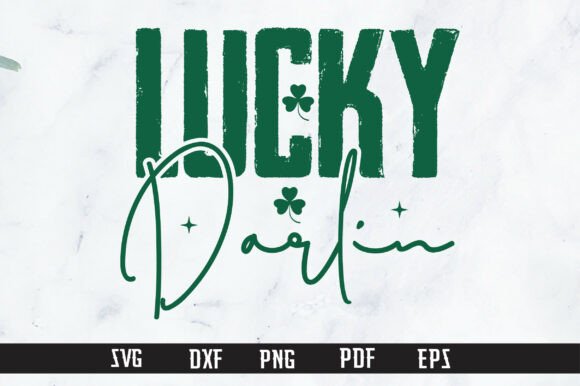
The moment you load Retro Happy St Patrick s Day PNG Clover onto your screen, the intent is clear. It leans heavily into a vintage aesthetic, utilizing bold shapes and a nostalgic color palette that screams "retro." For an embroidery designer, this is crucial because retro styles often rely on strong outlines and simplified forms—elements that are inherently easier to digitize and stitch cleanly than intricate, photorealistic details.
The mood is cheerful but grounded. It does not feel like a cheap clip-art stamp; it feels like a brand asset. The clover motif is central, but the typography and layout suggest a lifestyle brand rather than a simple holiday greeting card. This distinction matters when you are creating custom apparel or boutique merchandise. Customers today are drawn to designs that feel curated and intentional. This design offers that sense of thoughtful curation, making it suitable for more than just a quick craft fair t-shirt. It has the visual weight to stand alone on a garment without needing excessive embellishment around it.
Real-World Application: From Screen to Stitch
I decided to test this design by preparing a custom embroidered tote bag project. Tote bags are a staple for any Etsy seller or small business owner during the St. Patrick’s Day season, but they present unique challenges. The canvas fabric can be thick, and the surface area requires a design that commands attention without becoming overwhelming.
As I mapped out the placement, I considered how Retro Happy St Patrick s Day PNG Clover would interact with the texture of the bag. The clean lines of the retro style cut through the weave of heavy cotton canvas beautifully. If this were a highly detailed floral design, the stitches might get lost in the fabric texture. However, the bold nature of this graphic ensures clarity. The contrast between the thread colors and the natural beige of the tote creates a striking visual pop that photographs well for online listings—a critical factor for driving sales.
I also envisioned this design on a heavyweight sweatshirt for a cozy, layered look. In this scenario, the design acts as a focal point. The retro vibe pairs exceptionally well with chunky knits and casual wear. When evaluating embroidery files for seasonal products, I always ask: "Does this fit the current fashion trend?" The answer here is yes. The retro trend is persistent, and this design taps into it effectively without feeling dated. It bridges the gap between traditional holiday symbols and modern streetwear aesthetics.
Technical Considerations and Fabric Compatibility
No design exists in a vacuum. Before committing to a production run, I had to think critically about where this design should be used carefully. While the retro style is forgiving, certain applications require caution.
- Small Hoop Sizes: If you are attempting to stitch this on very small items, such as baby onesies or tiny patches, you must inspect the detail level closely. Small lettering or fine decorative accents may become muddy if the stitch density is too high for the limited space. Always check the minimum recommended hoop size provided by the creator.
- Textured and Stretchy Fabrics: Applying this to highly textured fabrics like bouclé or very stretchy jersey knits can distort the shape. The stability of the fabric affects how the satin stitch edges lay flat. On stretchy materials, a proper stabilizer is non-negotiable to prevent puckering.
- Dense Stitch Areas: If the design includes large fill areas, ensure your machine can handle the density. On thin fabrics, dense stitching can show through to the reverse side, which looks unprofessional. For delicate items, consider using an applique design approach if the file allows, or reduce the fill density in your digitizing software.
- Curved Surfaces: Embroidering on caps or hats requires careful hooping techniques. The retro style’s bold lines help, but misalignment on a curved brim can ruin the symmetry. Practice on scrap fabric first to master the tension and placement.
Thread Color and Contrast
The success of Retro Happy St Patrick s Day PNG Clover hinges on thread selection. The original digital preview likely uses vibrant greens and perhaps complementary yellows or whites. When translating this to physical thread, you must account for the sheen of polyester or rayon threads versus the matte finish of cotton. A dark green thread on a black background might disappear, whereas a bright kelly green will pop. I recommend testing your chosen thread colors on the actual fabric you plan to use. Check the contrast in both direct light and shadow, as this affects how customers perceive the quality of the finished product.
Impact on Brand Value and Customer Trust
In the world of handmade commerce, presentation is everything. A well-executed embroidery project signals professionalism. When a customer receives a personalized gift or a handmade product with crisp, clean stitching, their trust in your brand increases. They perceive higher value, even if the base cost of the blank item was low.
Using a cohesive design like this one helps maintain brand consistency. If your shop focuses on retro-inspired home decor and apparel, adding this St. Patrick’s Day piece to your lineup reinforces your niche. It shows customers that you pay attention to trends and have a distinct style. Furthermore, the versatility of the design allows for cross-selling opportunities. The same digital asset could potentially be adapted for kitchen towels, pillow covers, or aprons, expanding your inventory without requiring entirely new creative direction.
Practical Designer Notes for Execution
Before you start stitching, there are several practical steps every serious embroiderer should take:
- Test on Scrap Fabric: Never go straight to the final product. Run the design on a scrap piece of the exact fabric you intend to use. This reveals issues with thread breakage, tension, or fabric distortion early.
- Review Stitch Density: Open the file in your embroidery software and zoom in. Look for areas where stitches might overlap excessively or leave gaps. Adjust the density settings if necessary to suit your specific machine capabilities.
- Inspect Small Details: Identify the smallest elements in the design. Are they legible? Will they survive multiple wash cycles? If the details are too fragile, consider simplifying the design slightly before digitizing.
- Check Licensing: This is critical. Ensure you have the correct license for commercial embroidery if you plan to sell finished items. Some digital downloads are for personal use only. Confirming licensing protects your business from legal issues.
- Use Proper Stabilizer: Match your stabilizer to your fabric. Heavy-duty cut-away stabilizers are often best for garments and bags, while tear-away might suffice for stable woven fabrics.
Final Verdict
Retro Happy St Patrick s Day PNG Clover is a solid addition to any designer’s library for the March season. It balances aesthetic appeal with technical feasibility, making it a smart choice for small shop products and craft business inventory. Its retro charm resonates with buyers looking for something beyond generic holiday merch, and its structural simplicity makes it forgiving for various skill levels. By paying attention to fabric choice, thread contrast, and proper stabilization, you can turn this digital graphic into a high-quality finished product that drives engagement and sales. Just remember to verify all file specifications and licensing terms before diving into production.