Review: American Dad 4th of July Retro PNG
As a designer who spends more time troubleshooting stitch errors than admiring pretty pictures, I approach every new digital asset with a mix of skepticism and curiosity. When American Dad 4th of July Retro PNG landed in my inbox, I didn’t just see a file; I saw potential inventory for the upcoming holiday season. The premise is simple: take a pop-culture icon, apply a nostalgic aesthetic, and turn it into a sellable handmade product. But does it hold up under the needle? Can it translate from a screen to fabric without losing its soul? Here is my practical breakdown of how this design performs in real-world embroidery scenarios.
First Impressions and Visual Personality
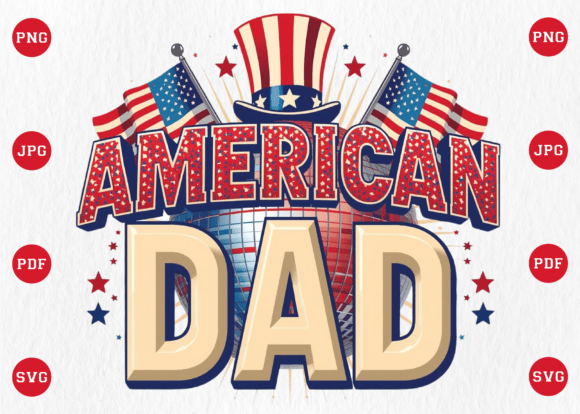
The moment you open the preview, the retro vibe hits hard. This isn’t just a standard cartoon image slapped onto a template; there is a deliberate stylistic choice at play here. The "Retro" tag in the title suggests a muted color palette, perhaps some grain or texture, and a layout that feels like something you might have seen on a vintage t-shirt from the late nineties. For an embroiderer, this is crucial because high-contrast, clean lines tend to digitize better than complex gradients or subtle shading.
The visual personality of American Dad 4th of July Retro PNG leans heavily into Americana but filters it through a lens of irony and humor. It creates a mood that is festive yet slightly subversive. This makes it incredibly versatile. It works for the patriotic purist, but it also appeals to the buyer who wants their holiday merchandise to feel a bit cooler, less generic, and more aligned with modern streetwear trends. When I look at the composition, I immediately think about placement. It screams center-chest for a crewneck sweatshirt or centered on the back panel of a tote bag. The balance of negative space allows the eye to rest, which is often missing in overly busy holiday designs.
Real-Life Application: From Screen to Stitch
I recently tested this concept on a custom embroidered tote bag project for a local craft fair booth. The goal was to create a handmade product that stood out among the sea of red, white, and blue flags. Using the American Dad 4th of July Retro PNG, I aimed for a custom apparel feel even on canvas. The result was striking. The retro aesthetic softened the boldness of the character, making it approachable rather than aggressive.
This design shines when applied to specific mediums. For tote bag design enthusiasts, the graphic scale is perfect. It fills the available space without overwhelming the fabric’s texture. Similarly, for sweatshirt embroidery, the retro theme pairs beautifully with heavyweight cotton blends. Imagine this stitched in a heather grey pullover with gold or cream thread accents—it instantly becomes a boutique-level item. It also translates well to kitchen towel applications, where the humor adds a touch of whimsy to domestic life.
However, the true test lies in its adaptability across different embroidery projects. I considered using it for baby embroidery items, like onesies or burp cloths. While the character is recognizable, the retro styling might be too edgy for traditional nursery decor. Instead, it fits perfectly into holiday gifts targeted at teenagers or young adults who appreciate pop culture humor. It bridges the gap between a novelty gag gift and a legitimate fashion statement.
Technical Considerations and Fabric Compatibility
Not every surface is created equal, and American Dad 4th of July Retro PNG has specific requirements to look its best. If you are planning to use this for commercial embroidery or small shop products, you need to be mindful of your substrate choices.
Textured fabrics can be tricky. While the rough weave of a burlap bag can enhance the retro vibe, highly textured materials like sherpa or thick chenille may obscure the finer details of the design. In those cases, the stitch density needs to be adjusted to ensure the image remains legible. Thin fabrics require extra care; without proper support, the tension of the threads can pucker the material, ruining the clean lines of the retro art. Always use a reliable stabilizer—tear-away for stable wovens, cut-away for knits or stretchy materials like performance wear.
Dark fabrics present another variable. The provided JPG and PNG Files 4500×5400 - 300 dpi show the design clearly, but you must decide if you want to stitch around the negative space or use a contrasting background fabric. On dark tees, a light-colored backing or strategic applique design techniques can make the colors pop. Conversely, on light fabrics, you might need to adjust your thread colors to maintain contrast, especially if the original art relies on subtle shadows.
Where to Exercise Caution
- Small Hoop Sizes: If you attempt to shrink this down to fit a tiny cap logo or a delicate jewelry box, you will lose critical detail. Keep the hoop size generous enough to capture the nuance of the retro style.
- Curved Surfaces: Applying this to a curved hat front requires precise hooping. The perspective shift can distort the symmetry if not anchored correctly.
- Dense Stitch Areas: Check the digitization for any areas where fill stitches overlap excessively. High density can make the finished product stiff and uncomfortable, particularly on apparel decorators looking for soft-hand finishes.
- Frequent Washing: For items like tea towels or aprons that see heavy use, ensure the edges are secured. Loose threads in detailed corners can snag during laundering.
Impact on Brand and Customer Trust
In the world of Etsy seller operations and small business merchandise, presentation is everything. A high-quality digital embroidery file elevates your brand perception. When customers receive a finished product that looks professionally executed, they are more likely to leave positive reviews and return for future purchases. The American Dad 4th of July Retro PNG offers a unique selling proposition (USP) that generic clipart cannot match. It signals that you curate your designs with intent.
This design enhances buyer engagement because it sparks conversation. People don’t just buy a shirt; they buy the joke, the nostalgia, and the identity associated with the character. For craft business owners, this means higher perceived value. You aren’t just selling thread and cloth; you are selling a piece of cultural commentary wrapped in a festive package. This emotional connection drives sales far more effectively than price alone.
Practical Designer Notes for Execution
Before you commit to a full production run, follow these steps to ensure success:
- Test on Scrap Fabric: Never skip this step. Use the same fabric and stabilizer combination you plan to use for the final product. This reveals how the fabric texture interacts with the stitch pattern.
- Check Thread Color Contrast: Review the design in black and white mockups to ensure sufficient contrast. What looks good on a bright monitor might disappear on a beige linen.
- Inspect Small Details: Zoom in on the digital file. Are there tiny elements that will get lost in the stitching? If so, consider simplifying the design or adjusting the digitization settings.
- Confirm Licensing: This is non-negotiable. Ensure you have the rights to use American Dad 4th of July Retro PNG for commercial purposes. The description mentions usage on POD sites, but always verify the specific terms regarding design assets and resale.
- Compare Backgrounds: Test the design against both light and dark backgrounds to see how it adapts. This helps you prepare accurate printable mockups for your online store.
Ultimately, American Dad 4th of July Retro PNG is a strong candidate for any designer looking to capitalize on the Fourth of July market without resorting to clichés. It offers a blend of humor, nostalgia, and visual clarity that resonates with today’s consumers. By paying attention to technical details and choosing the right materials, you can transform this digital graphic into a tangible, profitable embroidery project that stands out in any boutique or online shop.